Overview
Even though most other races wouldn’t be able to differentiate between most of the different types of elves, the Verdant Kingdom is the home of many distinctly different types of elves, often with subtly different appearances, dialects and mannerisms. Here is a short description of each of them and where they can be found.
Aen Adhar
The People of Progress, or People of the Moon, or Moon Elves is a small and relatively rare group of elves that are predominantly, though not exclusively, found in the Riverlands of Lyria where they worship Sehanine Moonbow and follow the teachings of a mystical prophet called Mohiam. Often referred to as cultists who believe in a magi-religious saviour prophecy, they are otherwise indistinguishable from the Aen Canell.
Aen Canell
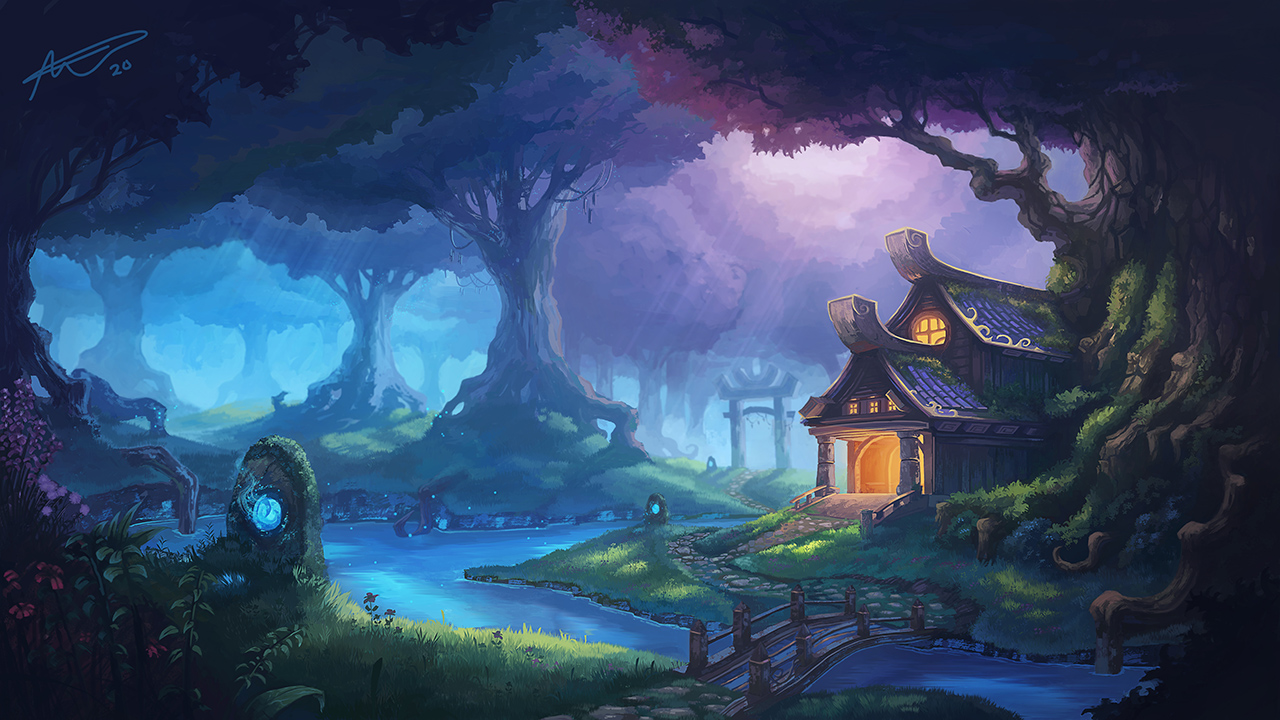
Also known as the People of the Oak, or Wood Elves, these elves are most common in most parts of the twelve verdant kingdoms, especially in Lyria. They can be found in most of the larger forests and have their own enclave queendom within Lyria around Duén Gwyndeith, the Palace of the White Flame, which lies at the heart of the Worthwilde. While the Lyrian throne acknowledges the queendom, only with its express consent and permission. Naturally, the elves of the Worthwilde don’t see it that way.
Aen Feainne
The People of the Sun, or Sun Elves, are found in the warmer climates of the southern parts of the Verdant Kingdoms, especially in Càrceres where they are the largest group of elves. Most of them follow the teachings of Corellon Larethain and Labelas Enoreth and are scholars, philosophers and gifted arcanists. Their skin tends to be bronzed while their hair is golden blonde.
Aen Gwynt
The People of the Wind, or Sky Elves, are rare and there are not many known groups of them. There are rumours that around the snowy peaks of Ard Thoradun there are still small settlements of these elves living there who are on friendly terms with the mountain dwarves. They are said to command the wind and the weather.
Aen Muire
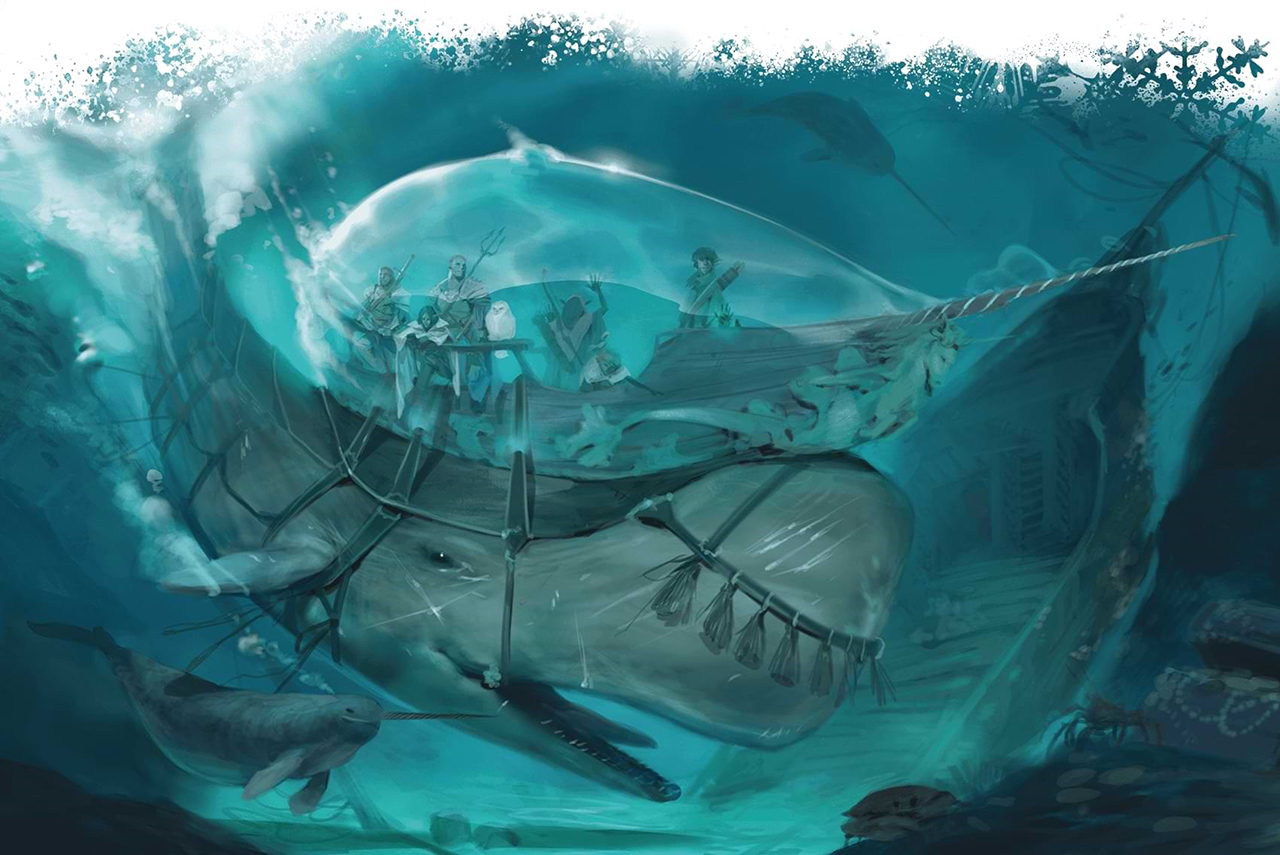
Also known as the People of the Sea, or Tidebound Elves, these elves are a myth and no known aquatic elves are known to exist. Some people claim that there are settlements and cities beneath the waves of the Cerulean Sea where these elves have made their home, but there has been no concrete evidence to support this.
Aen Nord
Confusingly, these elves are known as People of the Moon and share a lot of their common ancestry with the Aen Adhar, though they have evolved in a different direction, culturally. They can be found mostly in the cold lands; Kaedwyn, Miðgarður and Hellmark.
Aen Seidhe
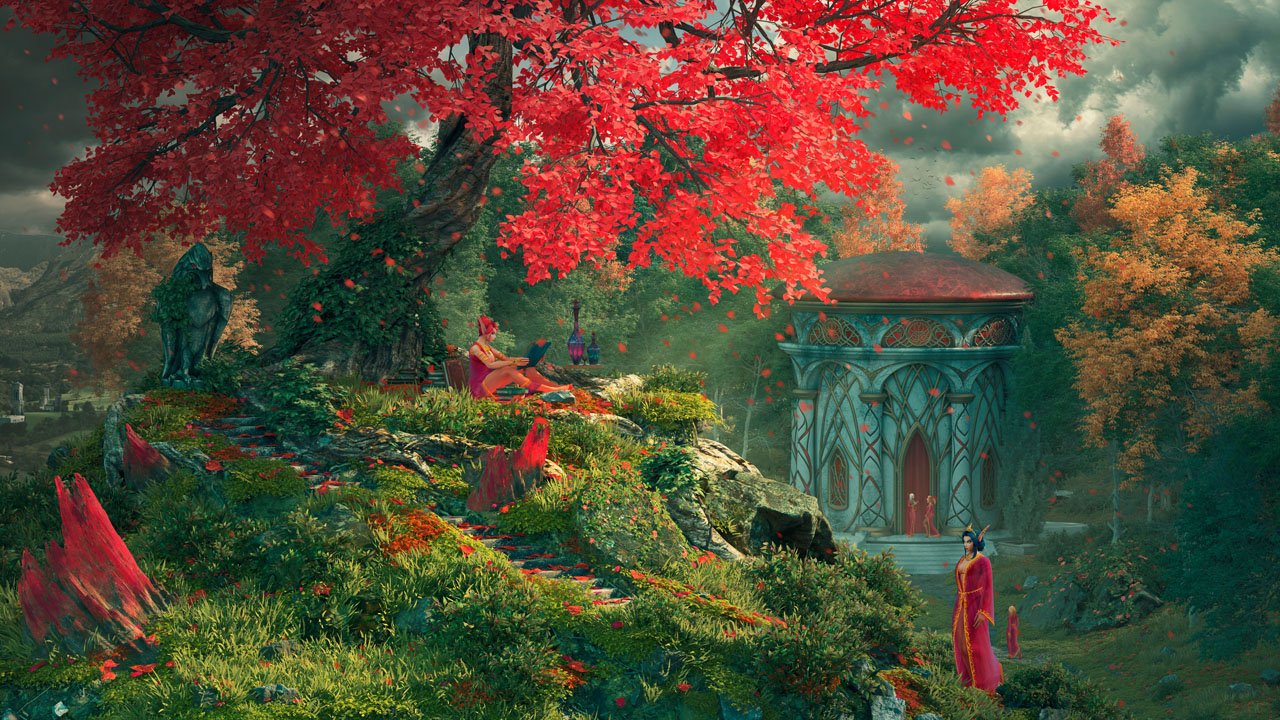
The People of the Hills, also known as High Elves, are the second most common of all the elves, after the Aen Canell. Unlike their wood-dwelling cousins, they are much more comfortable in urban environments and are known to create settlements that are much more alike to those that humans build than the ones that the Aen Canell prefer. They blend the natural environments of woods and hills seamlessly together with their buildings and often have houses of wood suspended below the canopies of tall trees, or create shaped marble structures which effortlessly blend together with the natural surroundings.
Lifespan, Deaths, and Births
Most elves live to about an age of 800 years, with some variation among the different types. As an example, the life expectancy of the Aen Muire is closer to 500 years, while Aen Gwynt tend to live beyond a thousand years. However, there are exceptional and legendary elves who have lived several normal elven lifetimes.
Elves consider long life an honour, not just a fact of biology. Dying of old age after having lived for centuries, is seen as an achievement, and as proof that a person lived wisely and fulfilled their potential. Elven cultures active teach this value. Children are raised to see patience and longevity as goals worth pursuing, and that the death of an elder is treated as a celebration of a life well-lived.
This belief exists alongside a serious demographic problem. Elven pregnancies last for eighteen months, and birth fertility is low compare to humans, orcs, and other shorter-lived races. This means that every death in conflict and war costs the elves far more than it costs their enemies. A single, lost generation of warriors can take centuries to replace. As a result, elven military strategy tends to avoid costly, all-out warfare, even when a victory is likely; heavy casualties, even in a winning war, can leave elven communities with a population deficit for generations.